The Dead Deck Society: Why Your Broken Boards Deserve a Better Eulogy
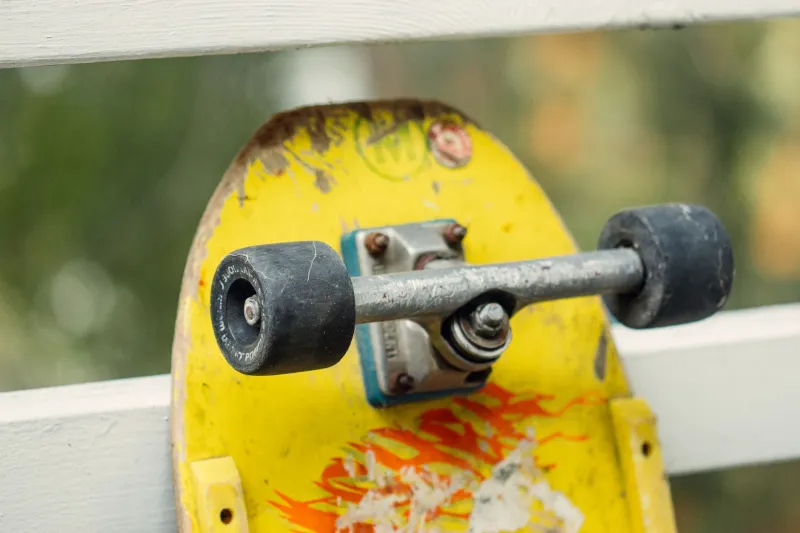
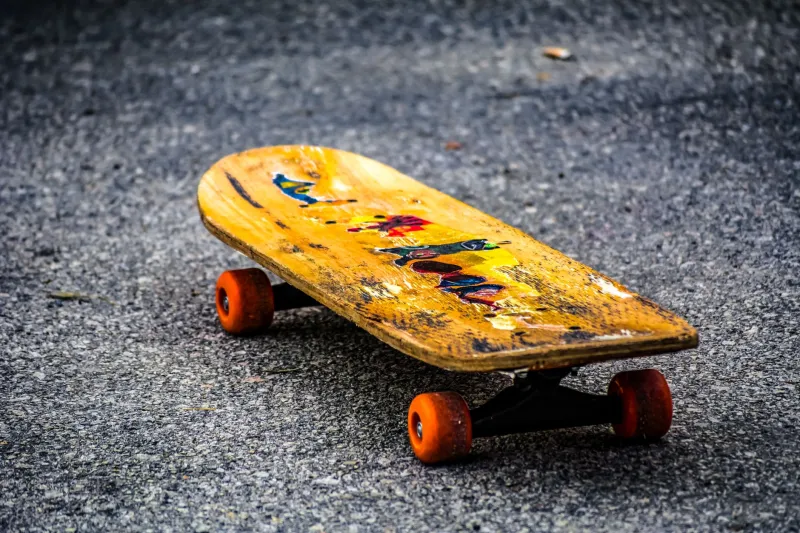
There's a shelf in my garage that my wife has officially designated 'the shrine.' Six decks, all dead. All leaning there like retired soldiers, wheels still attached, grip tape gray with dust and memory. She's asked — more than once — if we could maybe clear some space. The answer is no. The answer will always be no.
If you ride, you already understand. If you don't, nothing I write here will explain it.
The First Casualty
Ask any skater about their first board and watch their face change. It's not a purchase — it's a relationship.
Marcus Delgado, 34, a line cook from Albuquerque, still has the deck that taught him kickflips in 2003. "It's got a crack running through the tail like a lightning bolt. Shop owner told me it was done. I rode it another eight months. That board was my whole personality."
That's the thing about a first deck. You didn't choose it so much as it chose you — or your mom bought it at a mall kiosk, which is honestly more common. Either way, it absorbed every slam, every scraped palm, every small victory that eventually added up to a rider.
Taxonomy of the Graveyard
After years of lurking in skate shops and lift lines, I've identified the sacred categories of retired boards. Consider this a field guide to your own collection.
The Wall-Hanger. Mounted, displayed, admired. Usually the board from your best era — the deck you landed your first real line on, or the graphic that made strangers ask where you got it. This is the museum piece. It gets dusted.
The Wall of Shame. The deck you snapped attempting something you had no business attempting. You didn't quit skating after it happened, but you did think about it for a week. This board stays because throwing it away would mean admitting the slam didn't matter. It mattered.
The One You Can't Talk About. Every rider has a board tied to something heavier — a friend who moved away, a summer that ended badly, a period when riding was the only thing holding things together. This deck lives somewhere quiet. You know exactly where it is. That's enough.
The Loaner That Never Came Back. Not technically yours anymore, but you still bring it up. Bitterness is part of the tradition.
Why We Keep Them
There's a practical answer and a real answer.
The practical answer: decks are cheap-ish, disposal is annoying, and wood in a closet harms nobody. Fine.
The real answer: a dead deck is a physical record of who you were. Your shoes wear out and you forget them. Your phone gets replaced and traded in. But the board you rode the day you finally landed that trick after three months of trying? The snap in the nose matches the memory. It's a diary you happened to stand on.
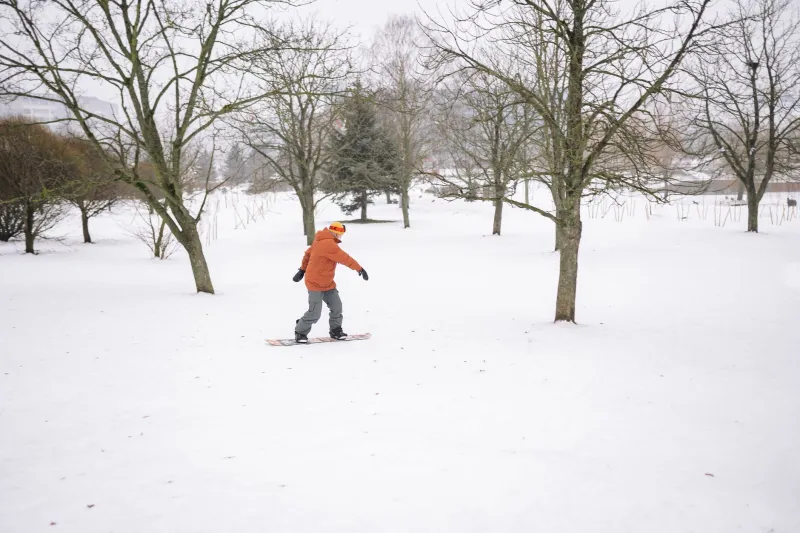
Snowboarders get this too — a board lasts longer, sure, but the base gashes and delaminated tails carry the same weight. The tradition crosses the pavement-powder divide, which in board culture is saying something.
The Only Sacred Rule
Here's the one commandment of the graveyard: you don't throw away a dead deck that taught you something. Donate it, wall-mount it, lean it in a corner. But the trash can is for boards that never meant anything, and if you've been riding long enough, there's no such thing.
So do me a favor. This weekend, go find your oldest board. Wipe the dust off. Look at the wear pattern — where your feet lived, where the tail got chewed. That's not damage. That's a map of every session that made you the rider standing there holding it.
Then put it back on the shelf. Where it belongs. Forever.