Concrete Ghost Towns: The Rise, Fall, and Revenge of the American Skatepark
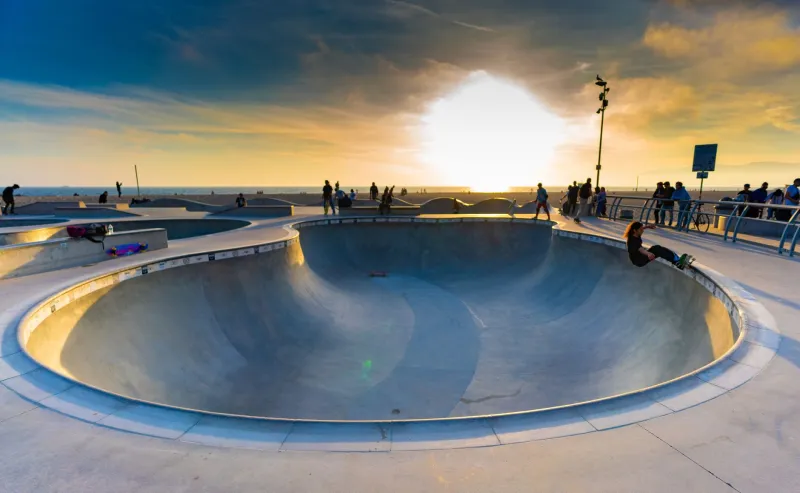
Here's a fact that should rattle every skater in America: in the late 1970s, there were over 200 commercial skateparks operating across the country. By the mid-80s, you could count the survivors on one hand. Whole concrete kingdoms — full pipes, snake runs, kidney pools with real transition — went from packed to padlocked in under a decade.
We didn't just lose parks. We lost an entire infrastructure of legitimacy, and the ripple effects are still shaping how — and where — kids learn to push today.
The Boom Nobody Talks About
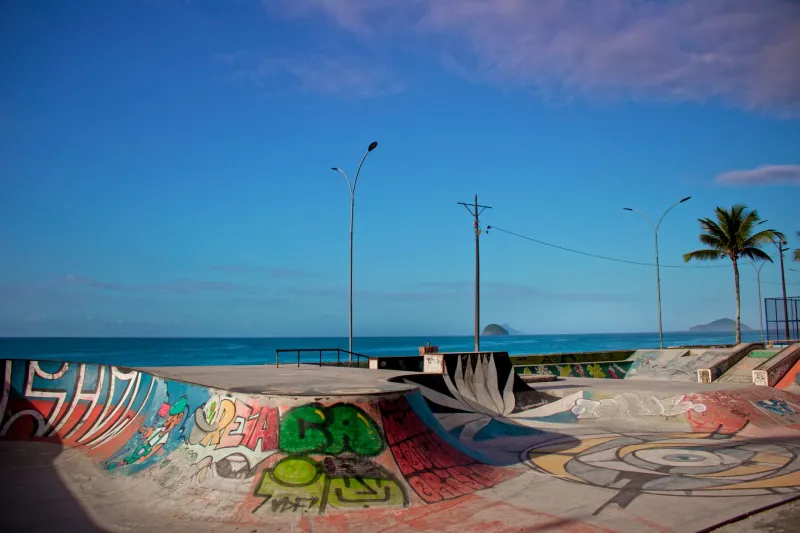
The original skatepark era gets remembered as a California thing, but it wasn't. Florida, Ohio, Texas, Georgia — the skatepark boom went nationwide. Skateboarding's first explosion in the mid-70s meant every Chamber of Commerce with a vacant lot and a vision wanted in. Parks like Florida's Skateboard Heaven or California's legendary Marina got all the magazine coverage, but thousands of kids got their first taste of transition in some nameless municipal bowl in the middle of the country.
These weren't perfect parks. A lot of them were built by contractors who'd never touched a board. But they existed. That's the part that matters.
Then the Lawyers Showed Up
What killed them wasn't a lack of interest. It was insurance.
The late 70s brought a wave of injuries, lawsuits, and — crucially — insurers who decided skateparks were radioactive. Premiums skyrocketed or vanished entirely. Cities followed the money: if the risk of getting sued outweighed the goodwill of hosting kids, the gates closed. Some parks literally filled their bowls with dirt. Others were bulldozed overnight.
And then came the signs. "NO SKATEBOARDING" went up on every plaza, schoolyard, and bank ledge in America. Skateboarding didn't just lose its venues — it got criminalized on public property too. An entire generation was forced to either quit or go guerrilla. Most of us know which one they chose.
The Silver Lining Nobody Planned
Here's the uncomfortable truth: the crackdown built skate culture. When you take away legal places to ride, riders get creative. Backyard ramps, drainage ditches, parking garage transitions, the birth of street skating as we know it — all of it is a direct descendant of the park closures. The best skaters of the 80s and 90s were shaped by exclusion. Necessity mothered an entire style.
But creativity has a ceiling, and so do backyard ramps. By the 2000s, a new idea took hold: what if skaters just... built the parks themselves?
The DIY Revenge Tour
The modern DIY movement — crews like the ones behind Burnside in Portland, which started as squatters under a bridge in 1990 — proved that skaters didn't need permission, permits, or insurance brokers. They needed bags of ready-mix and a Saturday.
What started as outlaw construction went mainstream fast. Today, organizations like the Tony Hawk Foundation (now The Skatepark Project) have helped fund over a thousand public parks, with a deliberate focus on small towns and low-income communities. Municipalities learned that a concrete park is cheap to maintain, attracts tourism, and — here's the kicker — actually reduces their liability compared to kids skating downtown ledges.
The pendulum swung back. Small-town America is pouring concrete again, from Kansas to Maine.
What We Owe the Next Generation
So what's the lesson in all this? Simple: parks don't survive on goodwill. They survive on advocacy. The parks that lasted through the dark years were the ones with adults — parents, shop owners, former skaters — who showed up to city council meetings and fought for them.
If your town has a park, use it, respect it, and defend it. If it doesn't, the blueprint exists. Find your local crew, learn to mix concrete, and remember: nobody's handing us anything. They never were. The difference now is that we know how to build it ourselves — and this time, we're not asking.