Secondhand Shred: How to Build a Full Setup for Less Than a Tank of Gas
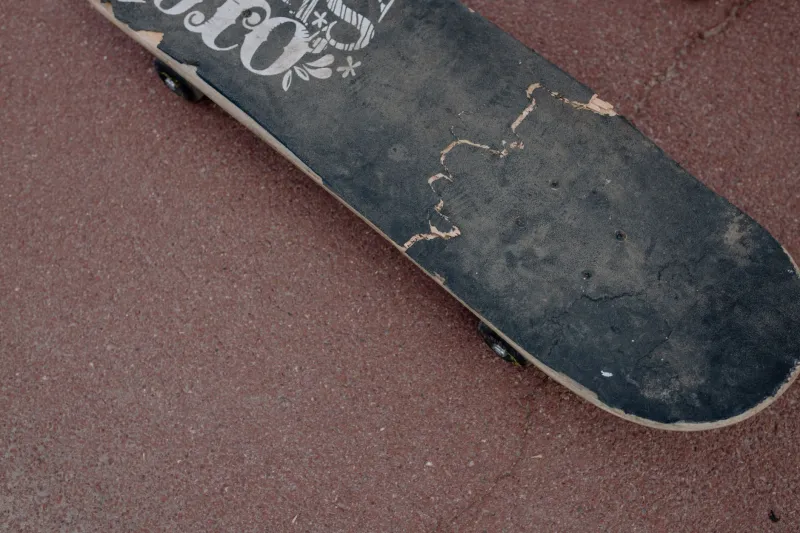
Let's kill a myth right now: you do not need $250 to start skating. The industry would love you to believe that a fresh complete straight from the shop is the only way in, but the truth is that some of the best riders we know started on a $40 garage sale deck with trucks loose enough to rattle like a maraca. Grit beats gear, every time.
That said, buying used is a skill. Scour the thrift racks and online listings long enough and you'll learn to smell a dead deck from across the parking lot. Here's how to do it right.
Where the Deals Hide
Thrift stores. Goodwill, Salvation Army, and your local charity shops get boards donated constantly, usually priced between $5 and $20. Most staff have no idea what they're sitting on. We've found pro-model decks with life left in them for the price of a burrito.
Garage and estate sales. Hit them early on Saturday mornings, especially in suburban neighborhoods with teenagers who "grew out of it." That's your gain. Cash talks — offer $25 for a complete and see what happens.
Facebook Marketplace and Craigslist. Search terms like "skateboard," "longboard," and even "cruiser" within driving distance. Sort by newest and be ready to move fast. Also check OfferUp — it's the sleeper app for board deals in most US metros.
Pawn shops. Hit or miss, but worth a peek when you're already in there digging through the bin of random GoPros.
The Damage Checklist
Not every cheap board is a deal. Run this checklist before you hand over a dime:
- Deck delamination. Squeeze the nose and tail. If the plies are separating like a wet phone book, walk away. A little pressure cracking on the tail is fine; visible fan-out between layers is not.
- Water damage. Look for soft spots, warping, or a deck that rocks on a flat surface. Skateboard maple and moisture are mortal enemies.
- Truck axles. Spin the wheels. If the axle is bent — and you'll see it wobble — that truck is toast. Also check for stripped kingpin threads.
- Bearing condition. Flick each wheel. It should spin freely for a few seconds. Grinding, seizing, or rust caked around the shield means new bearings at minimum.
- Wheel chunking. Flat spots and chunks from powerslides are cosmetic. Cracked or oil-leaking urethane means the wheel is done.
- Grip tape. Ugly is fine. Peeling all the way off is fine too — it's a $6 fix and a rite of passage.
The Tool List
You need almost nothing to assemble and maintain a used setup:
- Skate tool or a 3/8" socket, adjustable wrench, and Phillips screwdriver ($10–15 if you buy a skate tool)
- Replacement hardware if the old bolts are stripped ($5)
- Grip tape if the current sheet is beyond saving ($6–8)
- Bearings if needed — Bones Reds run about $20 and will outlive most of your relationships
The Money Math
Here's a realistic build, pulled from actual listings:
- Used deck: $20
- Used trucks: $15
- Used wheels: $10
- New bearings: $20
- New hardware and grip: $12
Total: $77. Even with a buffer for surprises, you're under $100 with room left for a sticker or two.
Compare that to a lift ticket at your local resort — or even a new complete — and the math gets embarrassing. The barrier to entry in board sports has never actually been money. It's been knowing where to look.
One Last Thing
Buy used, but don't buy garbage. A deck with delamination will snap mid-ollie and take skin with it. If a deal feels sketchy, it is. And when you outgrow that first thrifted deck? Pass it down. Every scratched-up board in circulation is one less kook paying full retail — and one more rider on the block.