Somebody Press Play: What We Lost When the Algorithm Started Choosing the Soundtrack
Put on almost any skate or snowboard edit released this week and do one thing: close your eyes. Can you tell which video you're watching? Can you even tell which brand made it? If the answer is no, you've just diagnosed the biggest creative problem in board culture, and it's not about the tricks. It's about the music.
When the Tape Was a Statement
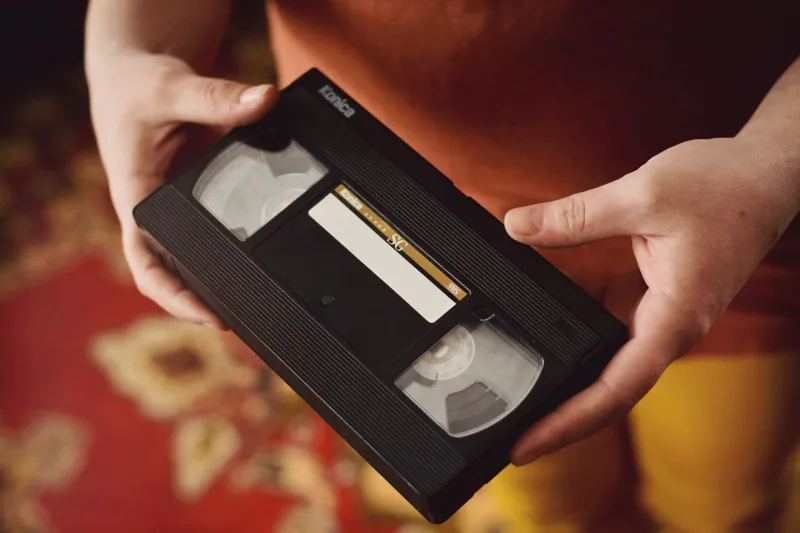
There was a stretch — call it 1995 to 2010 — when a board video's soundtrack was a manifesto. Filmers spent months, sometimes years, matching parts to songs like a DJ matching a set to a dance floor. The thrash tapes of the VHS era weren't just background noise; they were a thesis about who you were and what you rode.
You knew a company's identity from the first riff. East coast crews leaned into hardcore. West coast videos pulled from dusty psych and lo-fi hip-hop. Snow films built entire emotional arcs out of three songs — the warm-up, the heavy hitter, the credits banger that made you want to move somewhere with actual mountains.
The music was curated by a human being who knew every rider, every clip, and every beat drop. When the song hit right as someone landed a make after forty takes, it wasn't an accident. It was editing as an art form.
The Algorithm Ate the Mixtape
Then two things happened. Editing software got cheap, and attention spans got monetized.
Suddenly a fifteen-second clip needed a fifteen-second hook, and the fastest route to a hook was whatever song the platform was currently pushing. Trending audio became a cheat code: ride the algorithm's wave and the algorithm pushes your edit back. Rational, effective, and creatively corrosive.
The result is a strange flattening. A million edits a year, all cut to the same three sounds, all paced identically, all engineered to be swiped past. The full-length video — the thing that used to justify a premiere night at the local shop, folding chairs and all — started to feel like a luxury product.
Here's my hot take: nothing was lost that we can't get back, because the cure is already in everyone's pocket.
The Phone Is a Filmer, Not a Sellout
The pessimist sees phone footage as the death of the craft. I see it as the great democratization of it. The barrier to making a good video was never the camera — it was the taste. And taste, unlike a VX1000, is free.
The next great board video probably won't come from a production company. It'll come from some kid in Toledo who picks an obscure track nobody's heard, films her whole crew over one long winter, and cuts the parts like she actually cares. It'll get shared because it feels like something, not because the audio was trending on a Tuesday.
The tools to curate like the old filmers did are sitting right there. The only question is whether anyone still wants to press play on something that demands ninety seconds of trust.
So here's the challenge, and I mean it: make the mixtape again. Pick the weird song. Let a part breathe. Make the premiere an event, even if the premiere is a group chat. The algorithm will always have the volume — what it will never have is a point of view.
That part is still yours.