The Bone Doesn't Get a Vote: True Comebacks From the Slammest Year of Our Lives
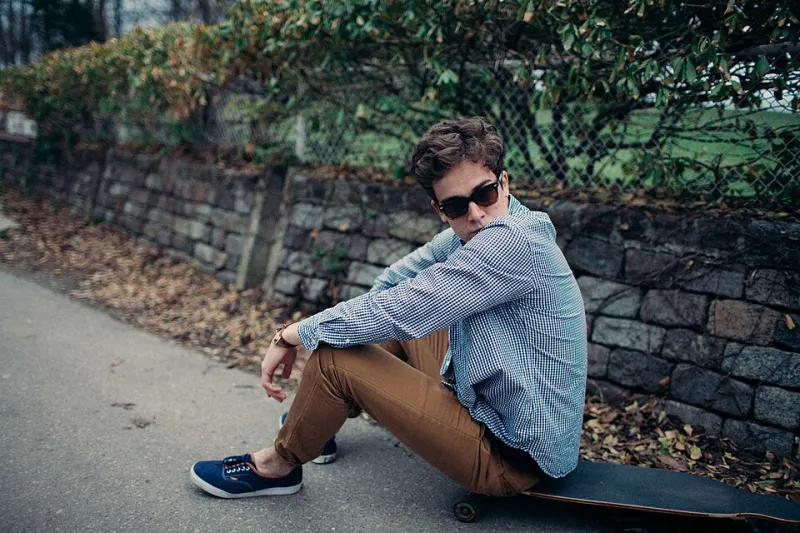
Photo: Sean Pollock seanpollock, CC0, via Wikimedia Commons
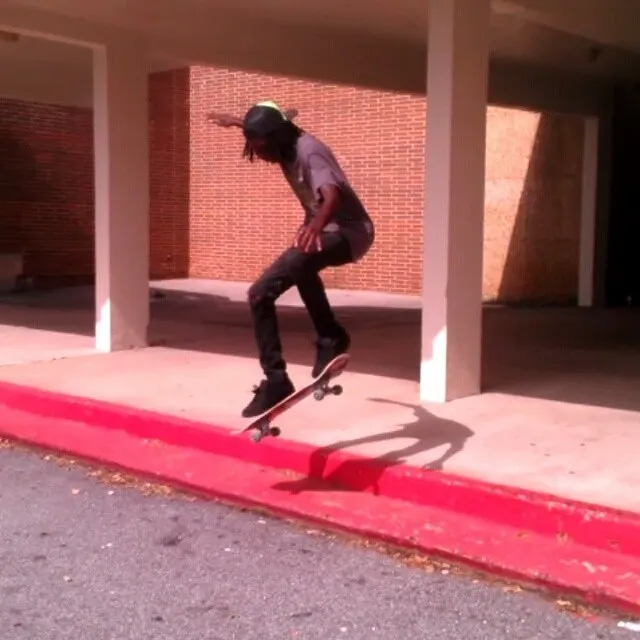
Nobody films the slam. That's the first thing you learn. There's a GoPro on the wall for every landed 360 flip and zero footage of the sound a wrist makes when it folds wrong on a Denver handrail in January. The clip that matters — the one that actually shapes the rider — lives in nobody's camera roll.
We spent the last few months talking to skaters and snowboarders across the country about the falls that took pieces of them. What came back wasn't a bunch of trauma bonding. It was stranger, funnier, and way more useful than we expected.
The Wristband Club
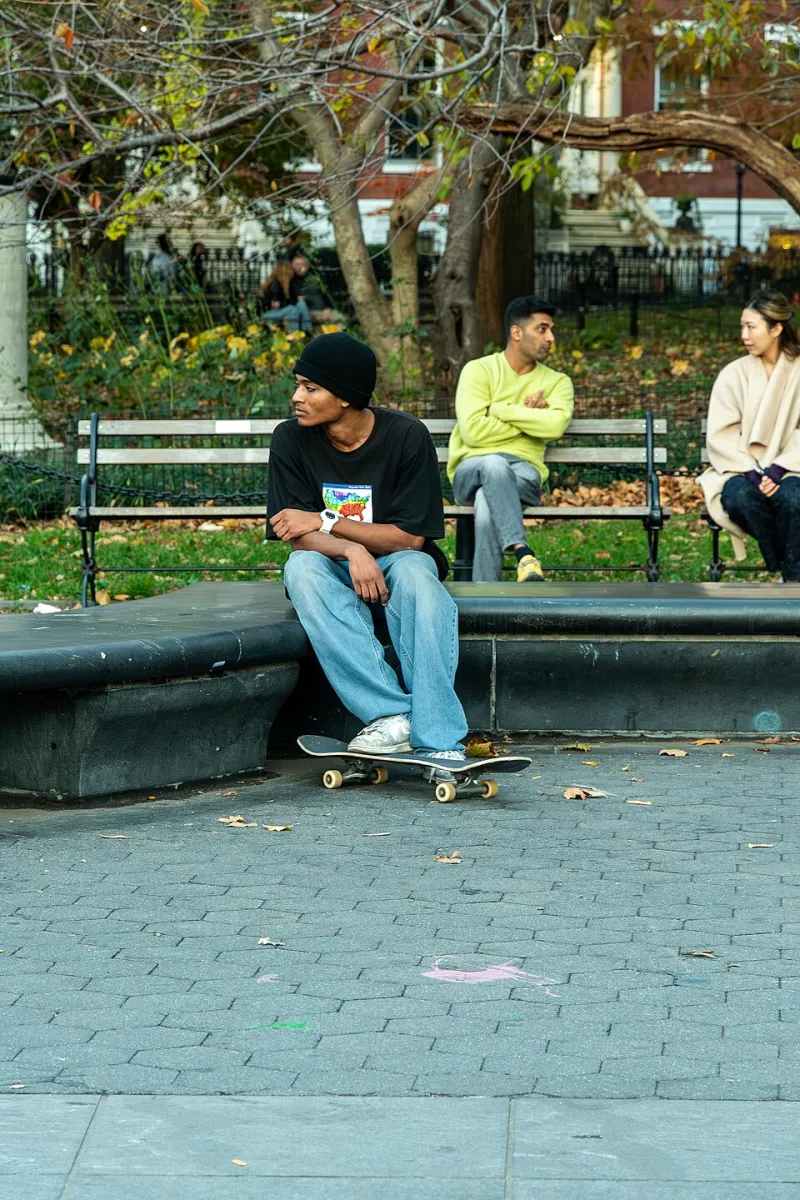
Marcus Idowu, 26, skates the DIY spots scattered around Detroit's industrial east side. Two summers ago he snapped his ankle clean through on a bank he'd landed a hundred times. "That's the messed-up part," he told us over the phone, his board clicking against the table somewhere in the background. "Not the banger. The nothing trick. Your body just picks a Tuesday."
Surgeons put a plate and six screws in. The recovery math was brutal: twelve weeks non-weight-bearing, then months of physical therapy that felt, in his words, "like being a student of your own leg."
But here's the detail that stuck with us. Marcus said the worst moment wasn't the injury or the surgery. It was week nine, watching his crew's clips pile up in the group chat while he sat on a couch in a walking boot, relearning how to be a person who doesn't skate.
"The board was how I processed everything," he said. "Bad day at work, roll. Good day, roll. Take that away and you're just sitting in your own head with a broken ankle and a Netflix queue."
Fear Is a Roommate, Not a Landlord
Every rider we talked to described the same phantom: the hesitation that shows up after the cast comes off. Not fear of getting hurt again, exactly. Fear of the moment right before — that half-second of doubt that never used to live in their body.
"I'd roll up to a ledge I'd been skating since high school and my brain would go, 'Hey, remember what happened last time you committed to something?'" said Jess Tran, a snowboarder out of Bend, Oregon who blew out her ACL at Mt. Bachelor three seasons back. "The trick didn't get harder. The space between me and the trick got louder."
Her fix wasn't courage. It was embarrassment-proofing. She went back to tricks she'd outgrown years ago — flatground spins, tiny park jumps — and let herself be a beginner in public. "I had to let ten-year-olds send it past me in the terrain park while I did baby laps. Swallowed my pride for a whole season. Then one day I realized the voice got quieter, and I never even noticed when."
That tracks with what the sports psych people have been saying for years: confidence isn't rebuilt by thinking. It's rebuilt by stacking boring, unglamorous reps until the body stops asking permission.
What the Injury Gave Back
This is the part that sounds like a motivational poster until you hear it from people with actual hardware in their bodies.
Marcus says the ankle break made him a smarter skater — he spots the sketchy run-offs now, warms up for real, stopped treating his body like a rental. Jess says the ACL taught her that falling is a skill you can practice, so she took a slams-and-bails clinic and learned how to bail on purpose.
And almost everyone said some version of the same thing: the injury sorted out why they ride. The guys who skated for clips came back hungrier for views. The ones who skated because it was the only hour of the day their brain went quiet — they came back for that, and now they protect it.
"I don't film much anymore," Marcus said. "I just push. Five a.m., empty lot behind the old Packard plant, me and the cracks. Break took the pressure off. Weird gift, but it's a gift."
The Comeback Nobody Clips
So no, this isn't an article about how pain makes you stronger. Broken bones don't have lessons; they have hardware and co-pays. But the comeback — the slow, unphotogenic, deeply unsexy work of rolling again after your body betrayed you — that's the realest thing in board culture.
Every crew has one. The guy who came back from the broken femur and now lands harder than before. The girl who took two seasons to trust her knee and then sent the jump line she'd been staring at since before the surgery. They don't post about it. There's no clip. There's just a person who decided the board was worth the risk one more time.
The slam is the toll. The comeback is the point.
If you're sitting in a boot or a brace right now, reading this on your phone because it's the only thing to do at 2 a.m. when the pain meds wear off: the board's not going anywhere. Neither is the fear. They learn to live together, and honestly, they make a pretty good crew.
Now do your PT. We're serious. Marcus says the people who skip home exercises are the ones who end up back on his physical therapist's table. Land the boring stuff first.