Know Your Councilman, Land Your Line: Winning Over the Town That Bans Your Board

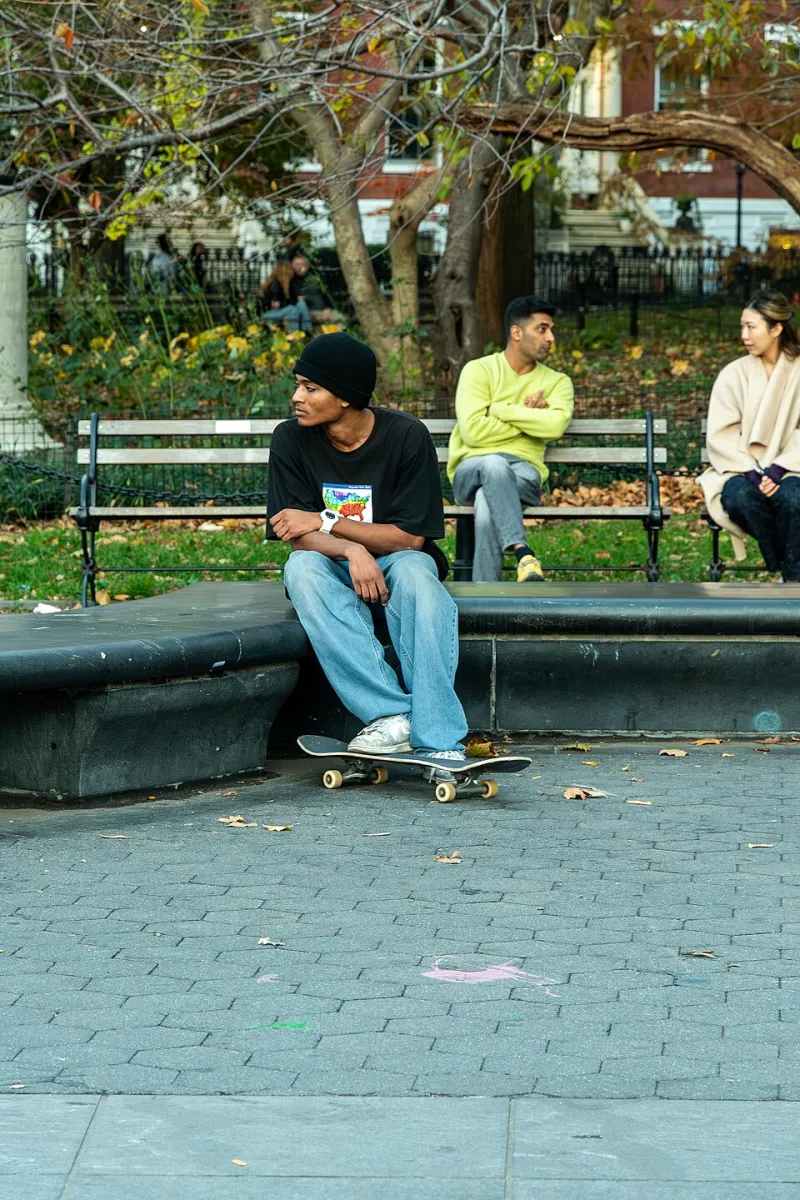
Photo: Jocelyn Kinghorn from Christchurch, New Zealand, CC BY-SA 2.0, via Wikimedia Commons
There's a specific sound every small-town skater knows: the idle of a cruiser rolling up behind you while you're mid-push, board clacking over cracked pavement in a town where the population sign says 4,200 and the unspoken population rule says not on the sidewalk, kid.
You've met this guy. Maybe he's cool. Maybe he quotes an ordinance you've never heard of. Either way, he's the face of something bigger — the quiet network of neighbors, shopkeeps, and city council members who collectively decide where your wheels are legal. And here's the thing most riders never figure out: that network isn't your enemy. It's your city council. You just haven't lobbied it yet.
The Truce Nobody Wrote Down
Small-town skate politics run on unwritten rules. The hardware store owner looks the other way on his smooth loading dock because you bought bearings from him last spring. The lady on Elm Street calls the cops when you session her curb, but not when you sweep the glass off it first. These deals exist everywhere — they're just never signed.
The problem with unwritten truces is they break the second somebody new pushes through town. One grom ollies off the pharmacy steps, a phone call gets made, and suddenly there's a fresh "NO SKATEBOARDING" sign bolted to brick that used to be your favorite spot. The truce was never yours. It was theirs, and you were renting.
So stop renting. Here's how you buy the building.
Learn the Law Before You Fight It
Half the citations handed out in small-town America cite ordinances that don't actually say what the cop thinks they say. Ordinance 12.4 might prohibit "recreational wheeled devices in the municipal plaza" — which is a far cry from banning you from the library's back apron, which technically belongs to the county.
Spend a boring afternoon doing the least punk rock thing imaginable: pull up your town's municipal code online. Search "skateboard." Read every hit. You're looking for three things:
- Where it's actually illegal. Often it's a short list — city hall, the plaza, specific parks. Everything else is gray area.
- What the penalty is. A verbal warning ordinance means you can skate the gray areas with nothing worse than a lecture.
- Who voted on it. Council meeting minutes are public record. If Councilwoman Reyes pushed the ban in 2011 after one bad incident, that's your person to win over.
This isn't selling out. Sun Tzu didn't call reading the terrain "going corporate." Know the map before you push.
The Meeting Is the Second Session
Every rider I know who changed their town's rules did it the same way: they showed up. Not to protest — to present.
Take what happened in a town I'll leave nameless in rural Ohio. Kids had been getting run off the bank behind the fire station for a decade. Instead of another round of cat-and-mouse, three of them put together a five-minute pitch for the parks board: photos of the spot, a liability comparison between their proposed DIY maintenance plan and the injury claims the town had already paid on that same broken bank, and a signature sheet with 140 names on it. The town didn't build them a park. But it did stop pouring concrete barriers over the transitions — and two years later, quietly chipped in for coping.
The formula isn't complicated:
- Bring receipts, not vibes. Council members respond to liability data, insurance figures, and precedent from other towns. Passion is for the montage; spreadsheets are for the meeting.
- Bring a clean-cut friend. Yes, it's a costume. Wear it anyway. The kid in the collared shirt who says "good evening, council members" does more for your cause than your best 360 flip ever will.
- **Ask for something small." Not a $400k concrete park. Ask them to designate one legal spot. A single sanctioned ledge creates a relationship, and relationships compound.
Build It and They Can't Bust It
The real endgame in small-town skate politics isn't tolerance — it's ownership. A DIY spot on private land with a handshake deal from the owner is untouchable in a way no street spot ever will be.
The playbook: find poured concrete nobody's using — an old loading dock, a dead gas station apron, a church's forgotten side lot. Then go talk to the human who owns it. Not a DM. A conversation, in person, ideally while holding a broom. Offer to maintain it, sweep it, paint over graffiti that isn't yours, and keep the troublemakers out. You're not asking for a favor; you're offering free property management.
A surprising number of small-town landowners say yes. They're sitting on concrete that costs them money and attracts nothing. A quiet spot with a dozen respectful locals? That's an upgrade. Get it in writing — even a one-paragraph note signed by both parties beats a handshake when the owner's nephew inherits the lot.
The Long Game
Here's what nobody tells you: the cop at the top of the driveway retires. The "no skating" sign rusts. The council members who banned your spots get replaced by people whose kids skate. Towns change, but only if somebody's there to change them — showing up to meetings, sweeping the DIY, teaching the 9-year-old down the street to drop in without eating the flat.
The riders who turned their towns around didn't win an argument. They outlasted one. They became the familiar faces the council saw every month, the names on the insurance paperwork, the reason the new park got funded in the 2031 budget.
So next time that cruiser idles up behind you, don't just push away. Push toward the podium at the next council meeting. The concrete you save might be your own.