Varsity Ollies: When the Gym Teacher Finally Gets It
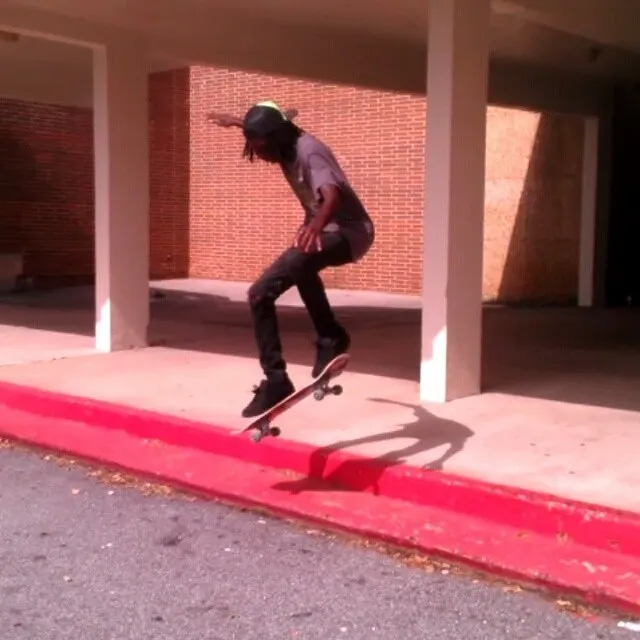
Photo: Pual 413, CC BY-SA 3.0, via Wikimedia Commons
There's a photo making the rounds from a high school in Colorado Springs: fifteen kids in matching hoodies, boards under their arms, posing under a banner that reads STATE QUALIFIERS. Fifteen years ago, half those kids would've been sprinting from a resource officer for holding a deck on campus. Now they're in the yearbook.
Skate and snowboard teams are showing up at American high schools at a pace that would've seemed like a joke a decade ago. California, Colorado, Vermont, Utah, Oregon — whole leagues now exist where kids earn varsity letters for landing runs instead of free throws. And the reaction from the old guard of athletic departments has been, charitably, mixed.
The Grumble From the Weight Room
Talk to a veteran football coach about a skate team and you'll usually get some version of "it's not a real sport." No refs, no scoreboard in the traditional sense, no clear winner in a jam session. The scoring in competitive skateboarding still confuses people who've watched the Olympics twice.
But the numbers don't lie, and athletic directors are nothing if not accountants. Participation in traditional school sports has been sliding in pockets across the country, while board sports keep pulling in the exact kids who quit everything else. The loner who blew off tryouts sophomore year? He'll show up every Saturday, unpaid, at 7 a.m., for a snowboard club. Any AD with a budget spreadsheet can do that math.
What Official Sanction Actually Buys
Here's what changes when a school sanctions a team: insurance, transportation, practice space, and a coach who gets paid — even if "paid" means a stipend that wouldn't cover a new deck setup. Kids get gear discounts, actual waivers instead of a shrug, and trips to competitions that don't depend on a parent's minivan.
That's not nothing. For a kid whose family can't cover a lift ticket, a school program can be the difference between riding and watching.
The Part That Should Worry Us
But let's not pretend this is all clean. Board culture built itself in the margins — in parking lots after hours, on handrails with no permission, on the exact kind of self-organized chaos that school administrators are professionally trained to eliminate.
The fear is a slow sanding-down. Mandatory helmets where the culture never demanded them. Practice schedules that kill the spontaneity. Coaches who've never pushed a board teaching "fundamentals" from a PDF. A style rubric. A style rubric, people.
The healthiest programs I've seen get this right do one thing differently: they hire from the culture. The coach at that Colorado Springs school is a 34-year-old former shop employee who still skims the local DIY spot. He runs the team like a crew, not a classroom. His riders compete hard, but nobody's grading their vibes.
The Verdict, For Now
Does sanction help the culture or sanitize it? Honestly — both, and which one wins depends entirely on who's holding the clipboard.
A generation ago, the school was the enemy: banned boards, confiscated decks, detention for ollieing a six-stair. Now the same buildings are stitching board logos onto jackets. That's a win worth protecting. But it's protected the same way everything in this culture has always been protected — by the riders and coaches who remember why they picked up a board in the first place.
Keep the letters. Keep the buses. Keep the stipends. Just don't you dare make it feel like homework.