Before the Mall Gates Roll Up: Where Early Boards Find Their People and Their Pour
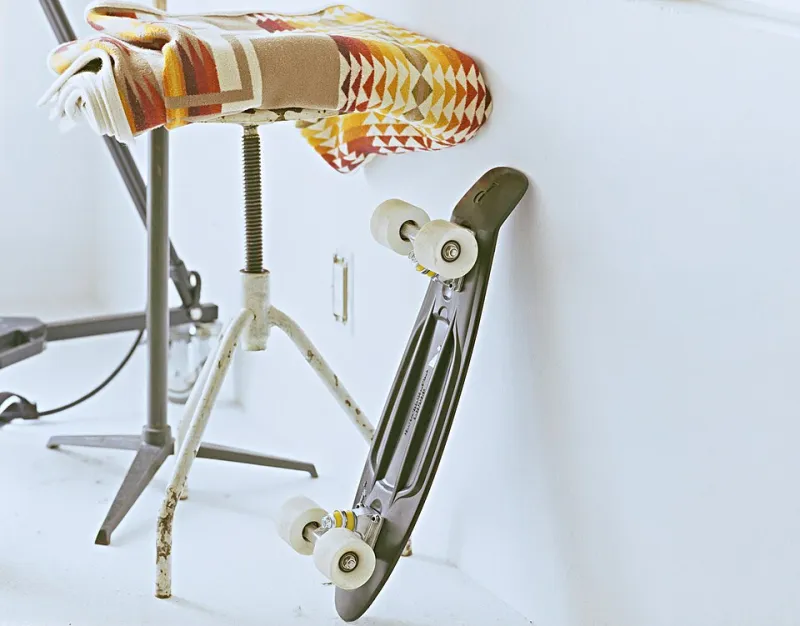
Photo: koichi nakajima koichinakajima, CC0, via Wikimedia Commons
The mall doesn't open until ten. The skatepark's been open all night. And somewhere in between, there's a five-hour window where the real culture of boarding happens over bad coffee in good company.
Ask any dedicated skater or snowboarder where their local scene actually lives, and they won't name a park or a resort. They'll name a café. A gas station. A diner with a sticky laminate booth and a window that faces the parking lot where everybody stashes their boards. The session doesn't start at the session. It starts at the counter.
The Two-Dollar Board Meeting
Walk into most specialty coffee shops at 6 a.m. and you'll find laptops and quiet. Walk into the right ones and you'll find something closer to a locker room.
Take the Gas-N-Sip on Route 9 outside Burlington, Vermont — a pit stop that's quietly become the staging area for half the early-riding crew in Chittenden County. The drip coffee is $1.75. The owner, a retired lift operator named Marcy, keeps a shoebox of wax bars behind the register that she sells "at cost, because you kids are broke."
"First-chair crowd comes through at 5:40," she says. "They're half-dressed, goggles on their foreheads, arguing about whether the mountain got the snow report right. By 6:15 they're gone. Then the shop crew rolls in around 7, headed to the same mountain, taking twice as long to get there."
Marcy's ritual knowledge is encyclopedic. She knows which regular takes his coffee black and which one loads it with so much sugar it's basically a dessert. She knows that if the van with the cracked windshield doesn't show by 6, somebody's board broke yesterday and there will be a mood.
The Window Spot Check
There's a specific ritual to the café meetup that outsiders never clock: the window assessment.
The best board cafés have glass facing the street or the lot. Regulars don't just sit anywhere — they sit where they can see their setup. Every fifteen minutes, maybe, a glance. Not paranoid, just practiced. When you've spent real money on a deck, you develop a sixth sense for it leaning against a rack six feet from the door.
At Rust & Sugar in Portland, Oregon, owner Dele Okafor built the whole layout around this. "I moved the counter so nobody sits with their back to the board rack," he explains. "Sounds small. It's not. A skater who can't see their board doesn't relax, and a customer who doesn't relax doesn't come back."
Dele started letting boards lean by the door out of necessity — the racks kept getting knocked over — and it turned into a brand. Now there's a painted line on the floor, a designated lean zone, and a standing offer: any deck left overnight gets locked in the back office, no charge.
"I've had kids come in at 6 a.m. after sleeping rough, grab their board from behind my counter, and just say thanks," he says. "That's the whole business model, honestly. Be the place where the board is safe."
Court Is in Session
The term "hold court" isn't a figure of speech here. Every one of these cafés has a table — usually the worst one, wobbliest leg, nearest the bathroom — where the scene's senior statesmen sit.
In Denver, it's the corner booth at a 24-hour diner near the I-70 on-ramp, where the snowboard crew debriefs after dawn patrols. In Richmond, Virginia, it's a folding table outside a gas station where the local skate crew plots which plaza to hit before security shifts change. The conversation ranges from gear beta to town politics to who's paying for gas.
These tables are where reputations get made and where beefs get squashed. Land a heavy trick at the park and by 8 a.m., the story's been told three different ways at the café. Show up with a new board and you'll get interrogated — where'd you get it, what'd you pay, does it actually pop or is it just pretty.
"It's peer review," laughs a regular at the Richmond station. "The internet can't do what this table does. Somebody lies on the forum, it lives forever. Somebody lies at this table, they get roasted till Christmas."
Why It Matters
There's a bigger picture here. Board sports have always had a problem with infrastructure — not enough parks, not enough mountains close to cities, not enough legal places to ride. What's filled that gap is the third place: the coffee shop, the gas station, the diner. The spaces where the culture gets transmitted between sessions.
Owners like Marcy and Dele aren't running community centers. They're running businesses with thin margins and early hours. But they've figured out something the big chains haven't: a boarder with a coffee and a window seat is a customer who stays, comes back, and brings the whole crew.
So next time your session starts slow — coffee first, spot check, the usual table — take a second and appreciate the person behind the counter. They're not just pouring drip. They're holding down the only clubhouse your scene's got.
And tip well. Wax bars at cost don't pay for themselves.