Lift Tickets Cheaper Than Lunch: Five Mom-and-Pop Hills Keeping Snowboarding Honest
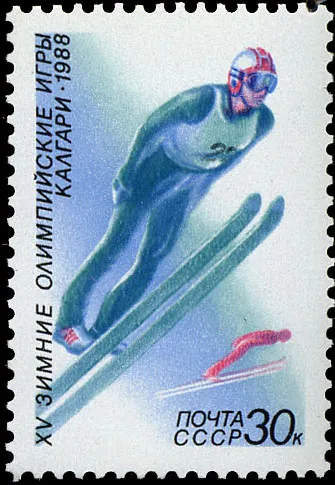
Photo: Почта СССР, 1988, Public domain, via Wikimedia Commons
There's a certain smell you only get at a small hill. Wood paneling, drip coffee that's been on the burner since 6 a.m., and gear wax melting on a space heater by the front door. You won't find it at the mega resorts. You'll find it at the mom-and-pop mountains — the ones with one high-speed quad (if you're lucky), a rope tow from another era, and lift tickets that cost less than what you'd drop on fries and a beer at a destination lodge.
We drove a few thousand miles this winter to find five of them. Here's what we learned: snowboarding didn't grow up in the terrain park at Vail. It grew up in lodges like these.
Buck Hill, Minnesota — The Little Hill That Trains Olympians
A 1,000-ish foot bump outside Minneapolis sounds like a punchline until you learn it's produced Winter Olympians. Buck runs night sessions almost every evening of the season, and the crowd is a mix of high school race kids, park rats lapping the one rail line, and dads reliving 1989. Day tickets run in the neighborhood of a movie ticket. The lesson here: you don't need vert to get good. You need reps, and Buck hands out reps by the bucket.
Snow Star, Utah — The Anti-Park City
Utah will happily sell you a $250 day pass, which is why the locals guard Snow Star like a family recipe. It's a community-owned hill in the Salt Lake valley's shadow — night skiing, a lodge that hasn't changed much since the Nixon administration, and a vibe that says bring the whole crew, including the dog. The terrain is modest, but the park crew builds features with actual creativity because they're riders too, not a corporate terrain team following a spreadsheet.
Mad River Glen, Vermont — Ski It If You Can (Yes, on a Board)
Mad River famously spent decades as a skiers-only holdout before loosening up, and it still runs on a co-op ownership model — people literally own shares in the mountain. The single chairlift is a museum piece. The glades are legit, the moguls are merciless, and nobody cares what you're riding as long as you can handle it. It's the closest thing the East has to a pilgrimage site for anyone who thinks snowboarding got too comfortable.
Hogadon, Wyoming — Casper's Best-Kept Secret
Everyone driving to Jackson blows right past Casper, which is exactly how Hogadon likes it. Perched on Casper Mountain, it serves up surprisingly good snow, short lines, and a ticket price that feels like a typo. The lodge crew knows every regular by name. If you've ever complained about 20-minute lift lines at a big resort, this is the antidote: here, the lift line is two people you'll end up chatting with anyway.
Sandia Peak, New Mexico — Desert Powder and 300 Days of Sun
Above Albuquerque, Sandia Peak serves up a season that looks nothing like the Rockies' — more sun, spring-like corn days in March, and views over the desert that'll make you late for your lap. It's a reminder that snowboarding in America isn't a one-region thing. There are riders lapping rope tows in the Midwest, groomers in New England, and desert hills in the Southwest, all building their own scenes without a single terrain-based influencer in sight.
Why the Little Hills Matter
Here's the argument underneath all of it: destination resorts rent you an experience. Local hills give you a home. The culture — the road-trip lore, the lodge bull sessions, the kid who learns to ride on a $75 setup because the ticket was cheap enough to justify it — that comes from places like these.
Big resorts will always have the snow quality and the vertical. Fine. But if you want to know where snowboarding's soul actually lives, check the small-town hills. Look for the wood paneling. Bring cash. Tip the liftie.
And when someone asks where you rode this weekend, enjoy the look on their face when you say a place they've never heard of.