When the Sky Opens, So Do the Spots: Chasing Flood Season With the Sun Belt's Puddle Surfers
Photo: Tomwsulcer, CC0, via Wikimedia Commons
The Forecast Nobody Else Wants
When the National Weather Service issues a flash flood watch for Phoenix, Tucson, or the outskirts of San Antonio, most people move their cars to higher ground. The riders we're about to introduce you to check their grip tape instead.
They're called pond skaters, puddle pirates, hydro-planers — the names vary by crew and by how much water actually showed up. What doesn't vary is the ritual. Rain in the desert is rare, violent, and gone in a day. That makes a flood the closest thing board culture has to a powder day: a temporary, free, deeply unreliable gift from the sky, and if you're not there when it opens, you missed it.
How the Spots Work
Every flood rider keeps a mental map, the same way a powder hound keeps a trail map. The best spots share a few traits:
- Big, smooth, shallow slabs. Parking lots with poor drainage are gold. The same flat blacktop that makes a lousy skate spot in July becomes a glassy sheet in September.
- A controlled water source. A clogged storm drain, a detention basin, a street that dips just right. Riders want depth — an inch to three — not a river.
- Warm weather on the back end. Sun Belt storms are followed by heat, which means the session dries out instead of turning into a week of mildew.
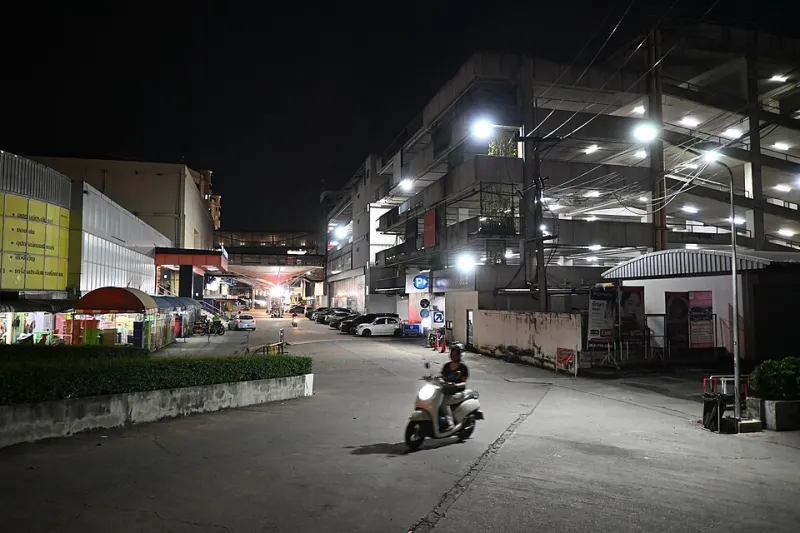
- Permission-adjacent status. Most of these lots belong to big-box stores or empty office parks. The smart crews ride early, ride fast, and never leave a mess. Nobody's filing permits to hydroplane across a Sam's Club lot.
The riding itself is its own strange discipline. You're not popping ollies — you're pumping, carving, and letting the deck skim. Some riders strip their grip almost entirely and ride the deck like a skimboard, pushing off wet pavement and sliding until friction or a curb ends the conversation. Others build dedicated setups: sealed bearings, waxed rails, decks treated with epoxy on the underside so the water doesn't delaminate them in a single afternoon.
The Gear That Survives the Soak
Talk to enough of these riders and a gear philosophy emerges: nothing you love goes in the water.
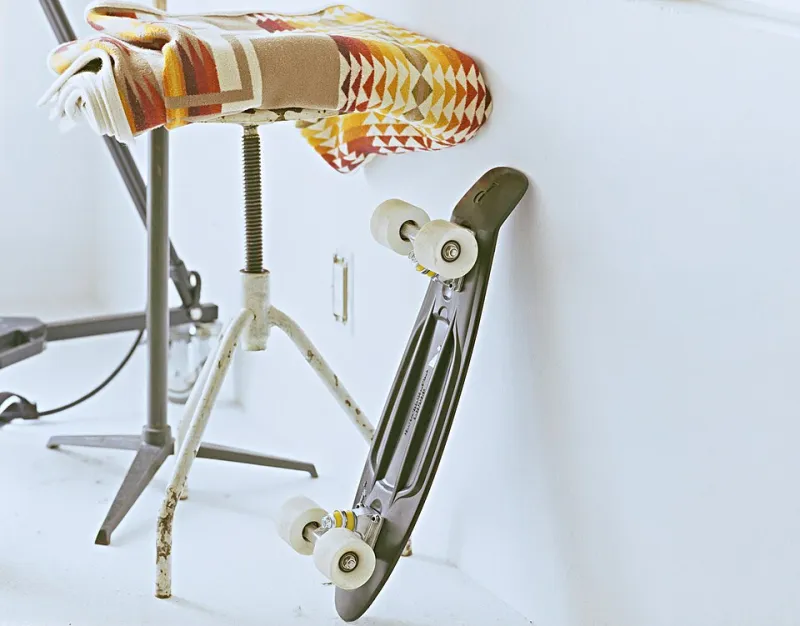
The deck. Standard seven-ply maple drinks water and swells. The flood crew's answer is either a sacrificial beater deck — the $15 blank that lives in the trunk for storm days — or a custom-sealed board from one of the small shops that's started pressing hydrophobic laminates for the niche. One rider in Mesa showed us a deck he'd coated in two-part epoxy, then re-gripped with a coarse, water-shedding tape. "It rides like garbage on dry land," he said. "That's the point. It's not for dry land."
The hardware. Bearings are the first casualty. Sealed ceramic bearings buy you sessions; open steel buys you rust by dinner. Everyone we talked to runs sealed, cleans them after every session, and accepts that flood riding eats hardware like powder riding eats edges.
The rest. Neoprene booties for the sharp stuff hiding under the surface, a squeegee in the van, and a strict rule about moving water. Standing puddles are a session. Flowing water is a no. Flash floods in the desert don't send invitations, and the riders who've been doing this longest are the loudest about that line.
Voices From the Wet Side
Down in Tucson, a crew that calls itself the Monsoon Localsschedules its whole summer around the odds. "July through September, we're on standby," one of them told us. "The group chat is basically a weather channel. The second the radar goes green, everybody's already dressed."
In the Houston suburbs, where drainage is a civic suggestion rather than a guarantee, the sessions last longer and the puddles run deeper. A rider there described the feeling as "the closest a skateboard gets to surfing without driving to the coast." He grew up bodyboarding Gulf chop and says the transition was natural: same pump, same patience, same willingness to look ridiculous in front of a strip mall.
Not everyone's a convert. The skate purists think it's a gimmick that ruins decks. The surf purists think it's surfing for people afraid of sharks. The flood riders, predictably, could not care less. There's a line one Phoenix rider kept repeating that sums up the whole scene: "The water's only there for a day. You can be weird later."
Where to Look (and When)
If the concept has you eyeing the forecast, timing is everything. Monsoon season in the Southwest — roughly late June through September — is the prime window, with afternoon storms that dump hard and leave smooth sheets behind. Gulf Coast storms are less predictable but more generous. The universal advice: scout your spots on dry days, know your depth before you drop in, and treat every flooded lot like it belongs to somebody. Because it does.
Board culture has always been about claiming space nobody gave you — empty pools, handrails, garage ramps. The flood riders just took the idea one ingredient further. All they needed was the sky to cooperate.
And when it does, somewhere out there, a group chat lights up, a trunk pops open, and a perfectly good skateboard goes swimming.