Tell It to the Wax Bench: Confessions From the Shops That Never Closed
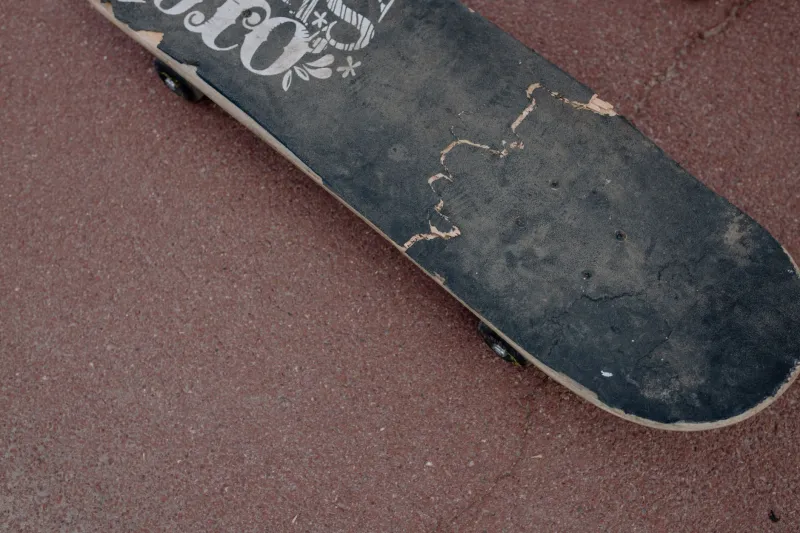
There's a bench in the back of most board shops. Sometimes it's for wax. Sometimes it's for mounting bindings or re-gripping a deck that's been ridden to the wood. But if you hang around long enough, you learn what the bench is actually for: talking.
Nobody planned it that way. Nobody wrote it into a business plan. But ask anyone who's worked the counter at a real shop — not a mall kiosk, not a warehouse with a logo — and they'll tell you the same thing. Half the job is inventory. The other half is listening.
The Counter Is a Confessional
Dana Ruiz has run a skate shop in Albuquerque for eleven years. She says the rhythm of a day is predictable in a way that has nothing to do with sales.
"Kids come in after school. Grown-ups come in on lunch breaks. Somebody's always leaning on the counter with something they can't tell their friends or their parents," she says. "Failed a class. Got dumped. Dad lost his job. You just... stand there and be a person for them. That's the whole trick."
It tracks. There's something about shops that lowers the stakes. Nobody's making eye contact across a formal setting. You're both looking at decks, or trucks, or a wall of wheels. It's easier to say the hard thing sideways.
And unlike a therapist's office, the shop doesn't ask you to book an appointment. You show up sweaty from a session, buy a $4 bar of wax, and end up staying forty minutes because somebody asked if you were okay and actually waited for the answer.
Why the Internet Couldn't Kill This
On paper, the local shop should be extinct. The math is brutal: online retailers undercut them on every SKU, free shipping shows up in two days, and rent in most American cities has done nothing but climb.
But the shops keep surviving, and the reason isn't product. It's that Amazon can't tell a 15-year-old that his first breakup isn't the end of the world while pressing grip tape onto a 8.25. It can't remember your name, your stance, or the fact that you've been saving up for that board since March.
Up in Vermont, a snowboard shop owner named Cole — who asked that we not use his shop's name because, quote, "the regulars would never forgive me for the publicity" — puts it more bluntly.
"People think they're buying a board here. They're not. They're buying a place to go. The board is the excuse."
Cole's shop runs a weekly night ride in the winter that costs nothing and exists purely because his customers kept showing up. In the summer, it's a parking lot BBQ. "I've had kids who basically grew up in here. One of them works for me now. One of them sends me a Christmas card. You don't get that from a shopping cart."
The Unpaid Labor Nobody Talks About
Here's the part that deserves more honesty: this emotional labor is real work, and it's mostly invisible.
Shop owners describe absorbing a lot. Divorce news. Addiction relapses. A kid who hasn't eaten today. One shop owner in Ohio told us he keeps granola bars behind the counter because he got tired of pretending not to know why certain kids hung around so long.
"Nobody trained me for this," he said. "I wanted to sell snowboards. Turns out I also run a de facto youth center with a POS system."
And yet most of them wouldn't trade it. When we asked why they don't just close up and sell online full-time — which would almost certainly be more profitable — the answers circled back to the same thing: the shop is the point. The boards are how you get people in the door.
What We Owe These Places
There's an opinion worth stating plainly here, and it's this: if you have a real shop in your town and you only walk in when you need something urgent, you're doing it wrong.
These places don't survive on big-ticket sales. They survive on the $8 wax purchase, the $30 tool, the December binding mount. They survive because enough people decided that a store with a soul is worth a few extra dollars.
So here's the pitch. This winter, skip the one-click order. Walk into the shop. Ask what's good. Sit on the bench if there's one. Buy something small even if you don't need it.
Somebody behind that counter probably talked a kid off a ledge this month. The least we can do is keep their lights on.